
Demystifying Cryptocurrency: From Digital Tokens to a Potential Financial Revolution
Part 1

Cryptocurrency has captured global attention. While many focus on its volatile prices, the real excitement lies in its potential to reshape how we transact and create digital value. Cryptocurrency has moved from a fringe concept to a force reshaping the financial world. With growing interest in this technology, let's delve deeper into its technical underpinnings, real-world use cases, and its unique position within the Indian landscape. This article delves into its technical foundations, real-world applications, and explores its unique challenges and opportunities, particularly in the Indian context.

Demystifying Blockchain: The Engine of Trust
Cryptocurrency is a digital or virtual asset secured by cryptography, making it nearly impossible to counterfeit. Most cryptocurrencies function on decentralized networks built upon blockchain technology. Here's the breakdown:
Blockchain: The Unifying Ledger Imagine a vast, transparent digital ledger shared across a network of computers. Blockchain records transactions securely and immutably, reducing reliance on centralized authorities like banks.

Imagine a Google Doc, but instead of being owned by Google, it's accessible and editable by everyone at the same time. That's kind of like a blockchain! Here's why it works:
Shared Document: Everyone has a copy of the document, just like everyone on a blockchain network has a copy of the transaction history.
Updates for All: Any changes made to the document are automatically reflected in everyone's copy, similar to how every transaction on a blockchain is recorded and visible to everyone on the network.
Unbreakable History: Once something is written in the document, it can't be erased or changed without everyone noticing, similar to how transactions on a blockchain are permanent and tamper-proof.
Here's the twist: This Google Doc isn't stored on a single computer; it's spread across multiple computers around the world. This makes it:
Highly Secure: Hacking into one copy wouldn't affect the others, just like hacking one computer wouldn't erase the entire blockchain network.
Transparent: Everyone can see the history of changes, making it difficult to cheat or tamper with the information.
Think of it like a community record book:
Imagine a village where everyone keeps track of important events and transactions in a shared notebook.
New entries are added chronologically, and everyone can see the history.
No single person controls the notebook, making it trustworthy and reliable.
That's the basic idea behind blockchain! It's a secure and transparent way to record information without needing a central authority like a bank or government.
Further Reading: Investopedia - Blockchain Explained: [https://www.investopedia.com/terms/b/blockchain.asp]
Cryptocurrency: Units of Exchange on the Blockchain Cryptocurrencies like Bitcoin and Ethereum are units of value that operate within this grand ledger system. They enable secure, borderless transactions, often bypassing traditional banking systems. Cryptocurrency, at its heart, is a digital asset designed to work as a medium of exchange. Unlike traditional currencies issued by central banks, crypto operates on a decentralized system – think of it as a giant online scoreboard, the blockchain, that everyone can access. This shared ledger records every transaction, ensuring security and transparency. To participate in this digital economy, you'll need a crypto wallet, a secure app that stores your unique cryptographic keys – akin to your personalized fingerprint in the digital realm.

Crypto Wallet: Your Key to the Digital Vault. To store and manage your crypto, you need a crypto wallet. These can be software-based or hardware devices, providing unique cryptographic keys that prove ownership of your digital assets.
Reaching Consensus: Not Just a Chai Debate
Remember those lively chai breaks where everyone has an opinion? Blockchain uses a similar concept called "consensus mechanisms" to ensure all participants in the network agree on the validity of transactions. Proof-of-Work (PoW) is like solving a complex math puzzle to earn the right to add a new block – think of it as vigorously competing in a friendly game of carrom for network validation. Proof-of-Stake (PoS) is a more energy-efficient alternative, where validators are chosen based on their "stake" in the system, similar to how a respected elder might mediate a village dispute in our villages/ family.
The rise of cryptocurrency can be attributed to several factors:
Decentralization: Cryptocurrency cuts out the middleman (central banks) in financial transactions, empowering individuals with greater control over their money.
Security: Blockchain technology offers robust encryption, making it highly resistant to fraud and counterfeiting.
Innovation: Cryptocurrency opens doors for a new wave of financial applications and services, fostering a more inclusive financial ecosystem.
Beyond Mere Collection: Unveiling Crypto's Diverse Applications
Cryptocurrency's potential extends far beyond simply accumulating digital tokens. Here's a glimpse into its diverse applications:
Crypto's Potential to Revolutionize Cross-Border Payments
Traditional cross-border payments can be slow, expensive, and cumbersome. Cryptocurrencies offer a glimpse into a future where sending money internationally is faster, cheaper, and more efficient. Here's how:
Faster Processing: Crypto transactions are settled directly between participants on the blockchain network, bypassing intermediaries like banks. This can significantly reduce processing times compared to the traditional system, which can take several days.
Reduced Fees: Traditional cross-border transfers often involve multiple fees charged by banks and intermediary institutions. Crypto transactions typically have lower fees, especially for smaller amounts. This can be a major benefit for migrant workers sending money back home or individuals making small international purchases.
24/7 Accessibility: Unlike traditional banking systems with limited operating hours, cryptocurrency networks operate 24/7/365. This allows for greater flexibility in sending and receiving funds, regardless of time zones or holidays.
Transparency and Traceability: All cryptocurrency transactions are recorded on a public blockchain ledger, providing transparency and traceability throughout the entire process. This can be helpful for regulatory compliance and tracking the movement of funds.
Real-World Examples:
Freelancers: Imagine an Indian software developer working for a client in the US. Cryptocurrencies offer a faster and cheaper way to receive payment compared to traditional bank transfers with their associated fees and processing times.
Students Studying Abroad: Parents in India can use crypto to send money to their children studying overseas, potentially saving on fees and ensuring faster access to funds.
Remittances: Millions of migrant workers around the world send money back home. Cryptocurrencies could offer a more efficient and cost-effective way for them to support their families, potentially reducing their reliance on expensive money transfer services.
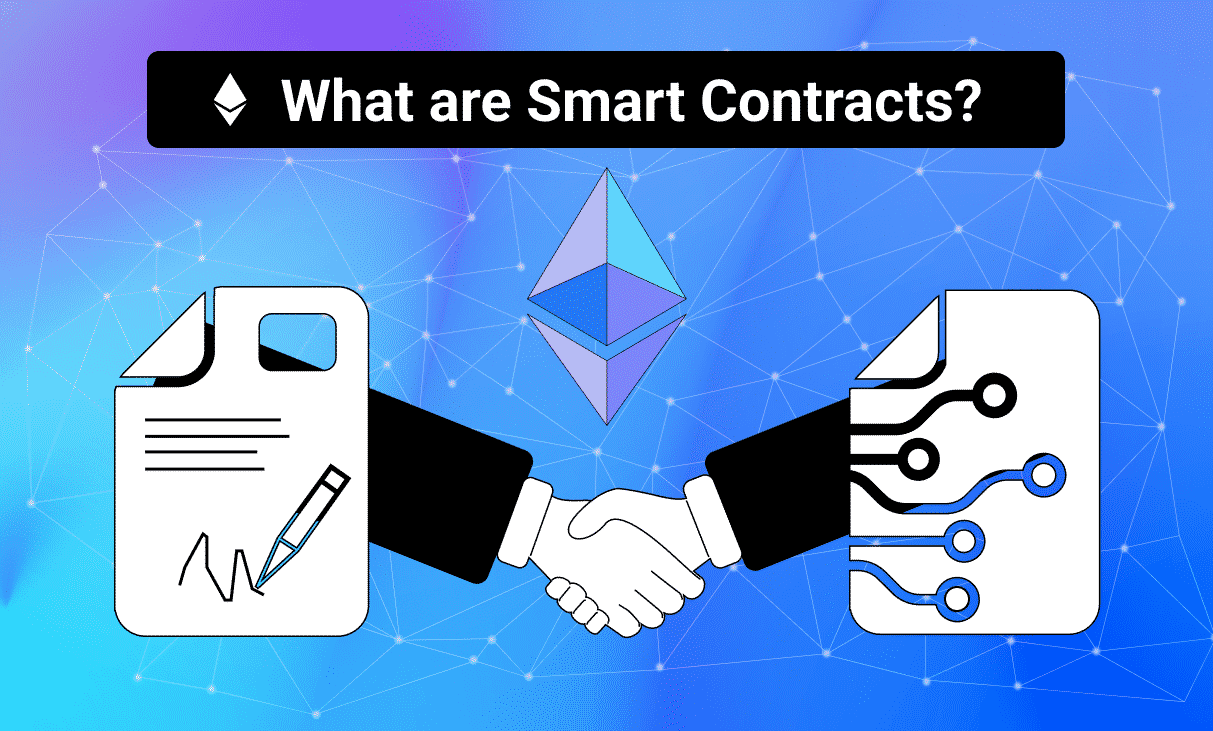
Smart Contracts: Programmed Agreements on the Blockchain
Automated Transactions: Smart contracts are computer programs embedded within a blockchain network. They contain pre-written rules (like "if X happens, then do Y") that automatically execute when these conditions are met.
Eliminating Middlemen: By defining all the terms of an agreement in code, smart contracts reduce the need for intermediaries like lawyers or banks. This can make transactions faster, cheaper, and more transparent.
Example: A smart contract for renting a house:
* Tenant deposits the rent amount into the contract.
* If the agreed-upon date arrives the contract automatically unlocks the house for the tenant and releases the payment to the landlord.
* No need for paperwork, manual checks, or potential for delayed payment.
Decentralized Finance (DeFi): Banking Without Banks
Financial Services on the Blockchain: DeFi uses cryptocurrencies and smart contracts to create an alternative financial system outside the control of traditional institutions.
Lending and Borrowing Reimagined: On DeFi platforms, individuals can lend their cryptocurrency holdings to earn interest, while others can borrow against their crypto assets.
New Opportunities: DeFi allows for innovative financial products like:
Decentralized exchanges, where users can trade cryptocurrencies directly with each other.
Liquidity pools, where users can earn fees by providing assets for trading.
Example: A DeFi lending platform:
* User A deposits their crypto into a smart contract.
* User B borrows from this pool, providing assets as collateral.
* Smart contracts handle interest rates, collateral requirements, and the return of assets – no bank involved.
4. Non-Fungible Tokens (NFTs): Digital Certificates of Ownership
Unique Digital Assets: NFTs are blockchain-based tokens that represent something unique and indivisible. Unlike Bitcoin, where one coin is equal to another, each NFT is distinct.
Proof of Ownership: NFTs are often used to certify the ownership and authenticity of:
Digital art (images, videos, music)
Collectibles (rare items, in-game assets)
Metaverse real estate
Changing Digital Ownership NFTs allow creators and artists to sell their work directly to fans and collectors, potentially giving them more control over their creations and earning them a fairer share.
Example: An artist creating a one-of-a-kind digital artwork:
* They create an NFT linked to the artwork file on the blockchain.
* A collector purchases the NFT, which acts as a certificate of authenticity and ownership.
* The artist can even receive royalties every time the NFT is resold in the future.
The realm of cryptocurrency is like a vast digital ocean – constantly evolving and teeming with possibilities. We've only just begun to navigate its depths. From streamlined global transactions to revolutionary smart contracts and the ownership revolution of NFTs, this technology is poised to significantly alter the landscape of finance, art, and beyond.
India, with its burgeoning tech sector and vibrant population, presents a unique environment for cryptocurrency's integration. But this also raises important questions: How will regulations shape its adoption? Will it foster financial inclusion or heighten risk? And how will this new form of currency rewrite the rules of traditional Indian finance?
Stay tuned for Part 2 on Thursday, where we'll dive into cryptocurrency's unique implications for India, explore its fascinating global history, and examine the potential roadblocks and opportunities ahead.